
A DIAGNOSTIC GUIDE · FOR PROFESSIONAL WOMEN
Decode
Your
Stress
The hidden pressures behind balance, burnout, and why high-functioning women feel more stressed than ever.
This isn't about doing more. It's about understanding why it already feels too much.

The Problem
Why balance isn't fixing your stress.
For most professional women, stress isn't the result of poor habits, lack of discipline, or not trying hard enough. In fact, the women who feel it most intensely are usually the ones doing everything right.
You're organised. You're responsible. You're self-aware. You're proactive about your wellbeing. And yet, the pressure doesn't shift.
Stress doesn't respond to effort — it responds to what's happening beneath the effort.
Stress persists when
•You're meeting everyone's expectations but ignoring your own.
•You're functioning well externally while feeling stretched internally.
•You're holding emotional responsibility that no one else sees.
•You're navigating roles that conflict with each other.
•You're adapting constantly without space to process the impact.
What's Underneath
The stressors most people never look at.
The stress that drains professional women most deeply is often invisible and rarely acknowledged. It doesn't come from doing too much. It comes from carrying too much.
01
Unspoken Expectations
The pressure to be calm, capable, and emotionally available — even when you're struggling.
02
Emotional Responsibility
Absorbing others' feelings, needs, and reactions without space to process your own.
03
Role Conflict
Being the leader, the caregiver, the organiser, the emotional anchor — all at once.
04
Micro-Decisions
The constant, quiet mental load of anticipating, adjusting, and smoothing things over.
05
Invisible Vigilance
AScanning for what might go wrong, who might need you, or how to prevent disruption.
06
Internal Contradiction
Wanting rest but feeling guilty. Needing space but fearing disconnection.
WHO THIS IS FOR
You've done the work and still feel the weight.
•Professional women who are high-functioning, capable, and outwardly coping.
•Women who carry responsibility across work, home, and relationships.
•Those doing their best in every role, yet still feeling they're falling short somewhere.
•Women who have tried managing stress, improving balance, or being more mindful.
WHO THIS ISN'T FOR
This isn't another productivity hack.
•Women looking for quick fixes or ways to fit more into an already full day.
•Those who want step-by-step solutions without understanding what's really happening.
•Anyone seeking motivation, mindset slogans, or generic stress advice.
•People who want to push harder rather than understand why they're already stretched.
THE APPROACH
Clarity first.
Change Second.
Always in that order.
Most approaches to stress start with solutions: breathe more, rest more, organise better, set boundaries, optimise your time.
But if you don't understand what's actually driving your stress, every solution feels temporary — like managing symptoms without ever seeing the cause.
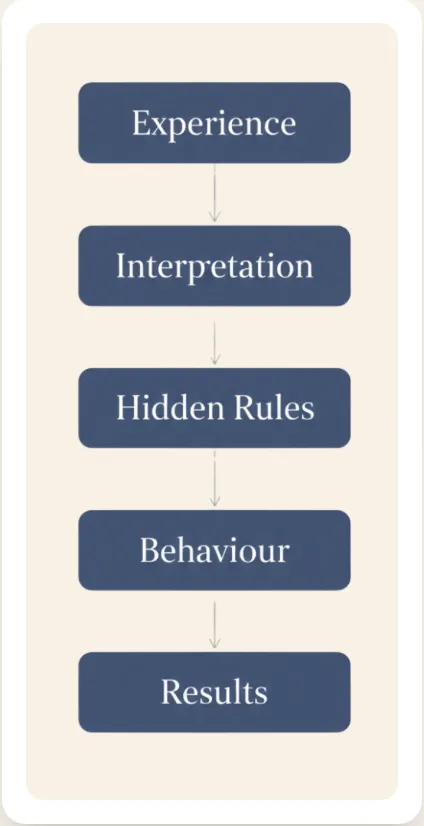
The Decode Your Stress approach slows everything down. It looks beneath the surface. It helps you understand the internal pressures shaping how you think, feel, and cope.
Once it's understandable, it becomes workable.

WHO'S BEHIND THIS
Rehana Bakhat
Decode Your Stress was developed after working extensively with high-functioning women and seeing the same patterns emerge repeatedly; stress that persisted despite competence, awareness, and a genuine belief that there has to be a better way.
Many of the women she works with are juggling demanding professional roles alongside family, relationships, and their own personal expectations; functioning well on the surface, yet carrying significant internal pressure.
Conventional stress support focused too quickly on solutions without first helping women understand what was actually driving the pressure beneath the surface.
The Free Guide
Clarity first.
Change Second.
Always in that order.
Most approaches to stress start with solutions: breathe more, rest more, organise better, set boundaries, optimise your time.
But if you don't understand what's actually driving your stress, every solution feels temporary — like managing symptoms without ever seeing the cause.
The Decode Your Stress approach slows everything down. It looks beneath the surface. It helps you understand the internal pressures shaping how you think, feel, and cope.
A short, thoughtful PDF. No spam. Unsubscribe anytime
Decode Your Stress
High-performing women often already have the knowledge, skills and strategies they need. Lasting change begins by understanding the hidden patterns shaping how they think, decide and respond.